
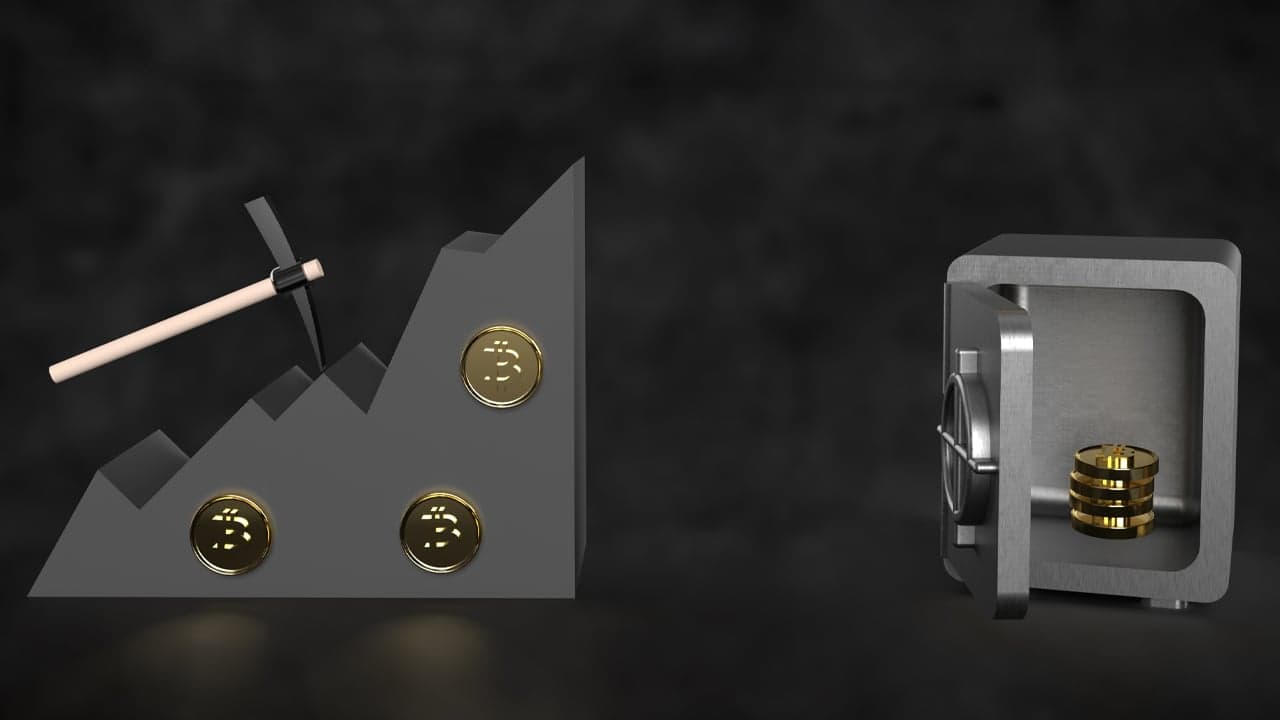
Consensus Mechanisms in Cryptocurrency
Proof-of-work ( PoW), first introduced by Bitcoin in 2009, requires miners to compete to add new blocks to the blockchain. By expending significant computational power, miners prove that the work was done to validate transactions.

The first miner to win the race and discover a block is rewarded with newly minted cryptocurrency. PoW relies on decentralized consensus – no single entity controls the network. However, its critics consider it incredibly energy-intensive.
Proof of stake, first conceptualized in a bitcointalk.org thread in 2011, works differently than PoW. Rather than miners, PoS networks have “validators” who stake or lock up their coins to participate in transaction validation.
The idea is that staking coins aligns incentives between token holders and the network. In some versions of PoS, validators are randomly selected to propose new blocks, rather than competing to discover them.

Comparing PoW and PoS and the Future of Cryptocurrency Consensus
PoS advocates consider this much less computationally expensive. However, PoS networks are considered susceptible to various attacks, like censorship, whales manipulating consensus, Sybil attacks, and the nothing-at- stake attack.
The first implementation of PoS was the Peercoin (PPC) network crafted by the anonymous Sunny King. The second-largest network, Ethereum ( ETH), changed over from PoW to PoS last year with “The Merge.” In September 2023, among the leading ten crypto assets, a mere two of them are PoW-centric coins – bitcoin ( BTC) and dogecoin (DOGE).
Some PoS networks like Cardano and Solana launched with staking built-in. Others like Polkadot use unique hybrid models. PoW advocates argue proof of work is more decentralized and secure, as the barrier to entry is higher for miners.
PoS proponents believe proof of stake is the future, enabling faster, cheaper transactions. Both have trade-offs. Hybrid models aim to combine the best of both worlds.
The debate rages on over which method is superior. However, it is clear PoW and PoS will coexist as crypto continues to disrupt financial and technological paradigms. The innovations produced by this competition will shape the future of digital assets.
What do you think about the differences between PoW and PoS? Share your thoughts and opinions about this subject in the comments section below.


