High Court Sides With Regulator
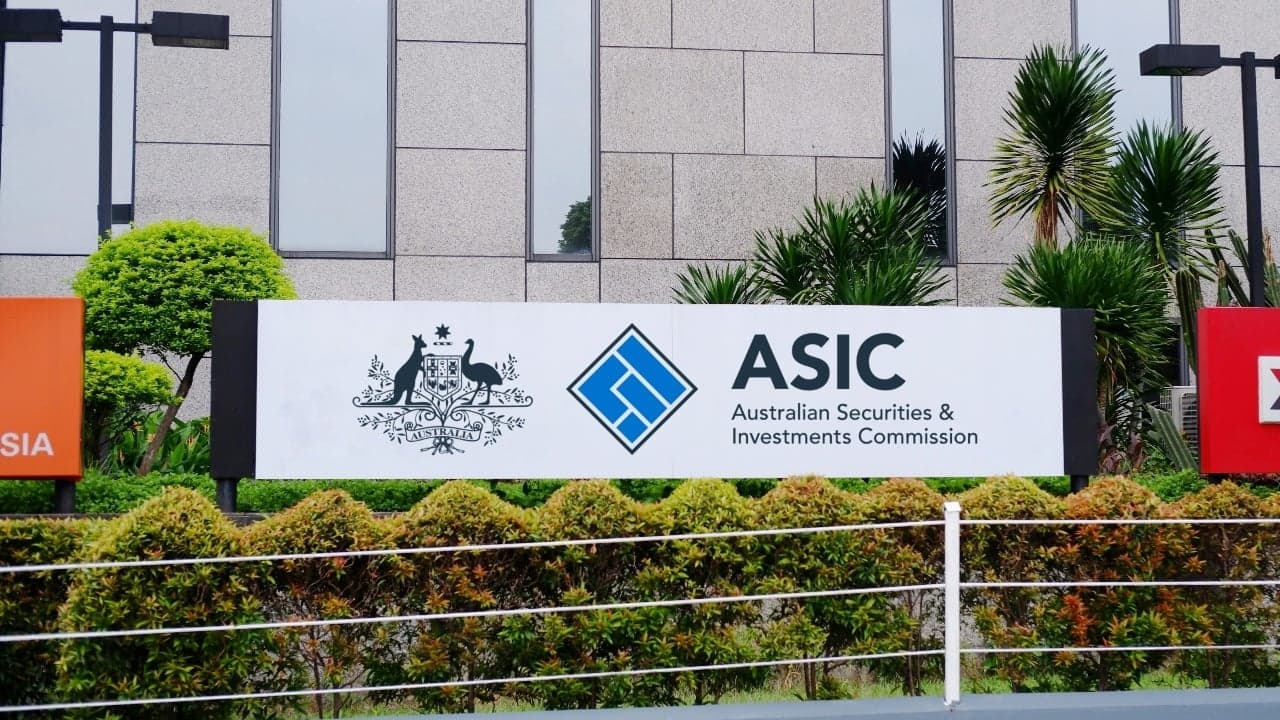
In a landmark decision, the High Court of Australia has ruled that a cryptocurrency yield product was offered illegally without a financial services license. The 7-0 ruling by the country’s highest court on June 17 allows an appeal by the Australian Securities and Investments Commission (ASIC) against Web3 Ventures Pty Ltd, which trades as fintech platform Block Earner.
The decision heavily impacts the digital asset sector by reaffirming that legislative frameworks are “technology-neutral” and broad enough to capture emerging crypto products without needing regulatory updates.
The dispute centered on the Earner Product, which Block Earner offered between March and November 2022. To use the service, customers transferred Australian dollars into a Block Earner bank account. The company then converted those funds into digital assets including USDC, PAXG, bitcoin and ethereum and promised users a fixed annual percentage yield. Upon withdrawal, Block Earner converted the cryptocurrency back into Australian dollars.
ASIC launched civil penalty proceedings against the company in November 2022, alleging the offering was a financial product operated without an Australian Financial Services Licence. While a primary Federal Court judge originally ruled in ASIC’s favor, the Full Court of the Federal Court overturned that decision in April 2025 following a cross-appeal by Block Earner. ASIC subsequently sought special leave to take the matter to the High Court.
After hearing arguments, the High Court panel unanimously rejected the Full Court’s previous finding, ruling that it was sufficient that investors’ funds were used to generate a return for both the investor and the issuer. The panel stated that “any contention otherwise would ignore the commercial reality of any such financial investment.”
A Warning to Fintech Firms
The High Court also accepted ASIC’s argument that the service functioned as a derivative because the eventual return amount varied by reference to shifting cryptocurrency values and exchange rates. It added that the regulatory framework is deliberately broad and adaptable, focusing heavily on the underlying arrangements and contractual substance of the product rather than how it was marketed or labeled.
ASIC Deputy Chair Sarah Court welcomed the decision, noting its significant role in clarifying the boundaries of the existing financial services regime.
“This reinforces ASIC’s long-standing position that the definition of a financial product is broad and technology neutral and so captures new and emerging products without the need to amend the legislation,” Court said in a statement.
“Firms offering products that provide a return to consumers or involve the conversion of assets must carefully consider whether their offerings are financial products, and if so, ensure they are appropriately licensed or authorised before distributing them,” she said.
The ruling comes at a time of rapid regulatory transition for Australia’s digital asset sector. Parliament passed the Corporations Amendment (Digital Assets Framework) Act 2026 in April, and ASIC has already laid out an 18-month roadmap to implement the new laws ahead of their commencement in April 2027.
However, the dispute over Block Earner is not yet fully resolved. The matter will return to the Full Court of the Federal Court so ASIC can pursue its appeal against a lower court’s previous penalty judgment, which had relieved Block Earner from paying a fine.