
Schiff Warns Iran-Linked Tariffs Could Push Prices Higher
Economist and gold advocate Peter Schiff shared on social media platform X on Feb. 8 a warning about potential tariff escalation under President Donald Trump, arguing that proposed penalties tied to Iran-linked trade could intensify cost pressures for U.S. consumers.
He stated: “Trump threatened to hit Americans with 25% tariffs on imports from countries that directly or indirectly do business with Iran.” Schiff expanded the argument:
“Since China does business with Iran and nearly every country does business with China, if Trump follows through the affordability crisis will get worse.”
His post framed the tariff mechanism as a chain reaction rather than a narrow trade tool, emphasizing indirect exposure through global supply networks.
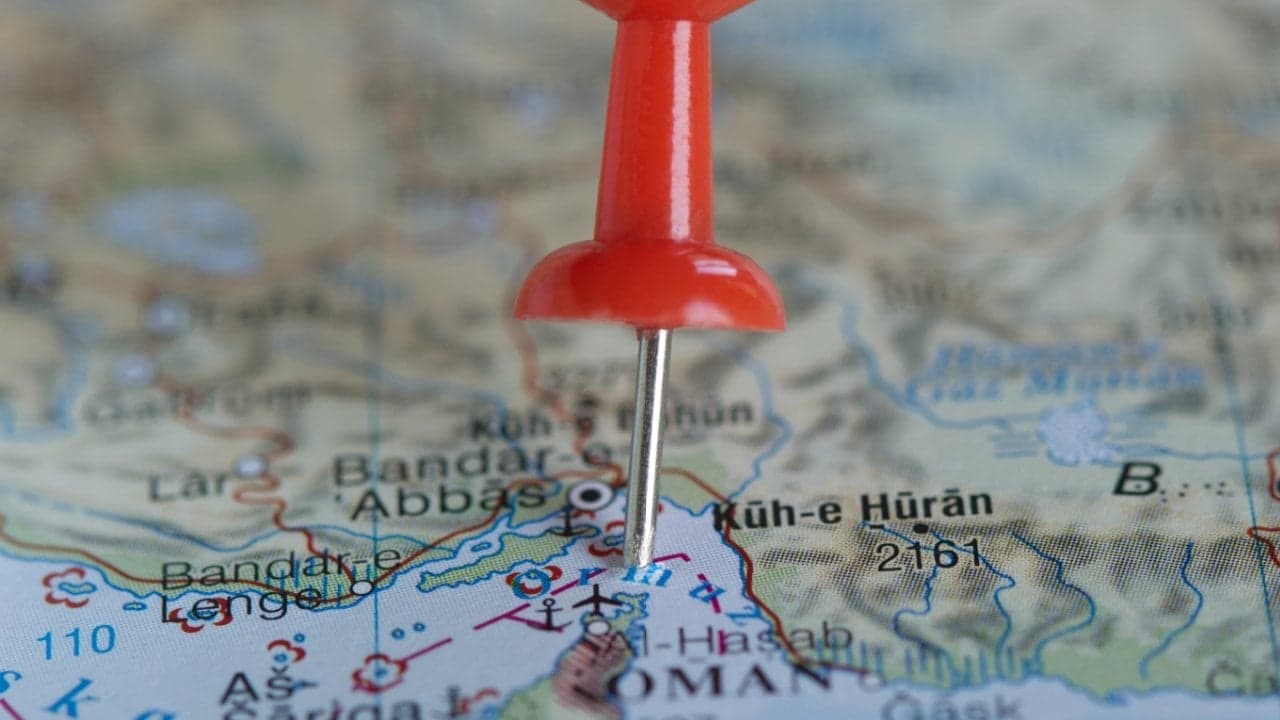
The comment appeared after President Trump signed an executive order on Feb. 6 establishing a framework for possible duties on countries that purchase goods or services from Iran, whether directly or through intermediaries. The order referenced 25 percent as an example rate while stopping short of mandating automatic application. Under the structure, the Commerce Department identifies qualifying trade relationships, the State Department provides a policy assessment, and the president retains authority to impose, adjust, or waive levies. Analysts describe the approach as a formalization of secondary sanctions through tariffs rather than financial restrictions.
China, Iran’s largest trading partner, remains a focal point because any added duties could stack on top of existing trade war measures, raising cumulative costs for certain imports. Supporters of the policy characterize it as economic leverage designed to restrict Iran’s access to foreign currency while preserving diplomatic flexibility, whereas critics like Schiff highlight downstream price effects for households already facing elevated living expenses.
Schiff’s warning aligns with a broader institutional alarm triggered by the Feb. 6 “Secondary Tariff” framework. The Tax Foundation formally reported that same day that Trump’s 2026 tariff schedule represents a $1,300 average annual tax hike per U.S. household. Similarly, Goldman Sachs analysts projected these levies would drive inflation 1% higher through mid-2026. During a contentious Feb. 4 hearing, Rep. Maxine Waters and other House Democrats characterized the strategy as a “war on consumers.” Furthermore, the Council on Foreign Relations warned that stacking these duties atop existing trade war rates creates a meaningful shock to domestic affordability.
FAQ ⏰
- What tariffs did Peter Schiff warn about?
He warned that proposed 25% tariffs tied to Iran-linked trade could raise U.S. consumer costs. - How does China factor into the Iran tariff debate?
China’s extensive trade with Iran could trigger indirect tariffs across global supply chains. - What authority does the executive order give the president?
It allows the president to impose, adjust, or waive tariffs based on Commerce and State Department assessments. - Why do critics say tariffs could worsen affordability?
They argue added duties would stack on existing trade war measures and lift import prices.