Fed Week Begins with Bitcoin Holding Strong
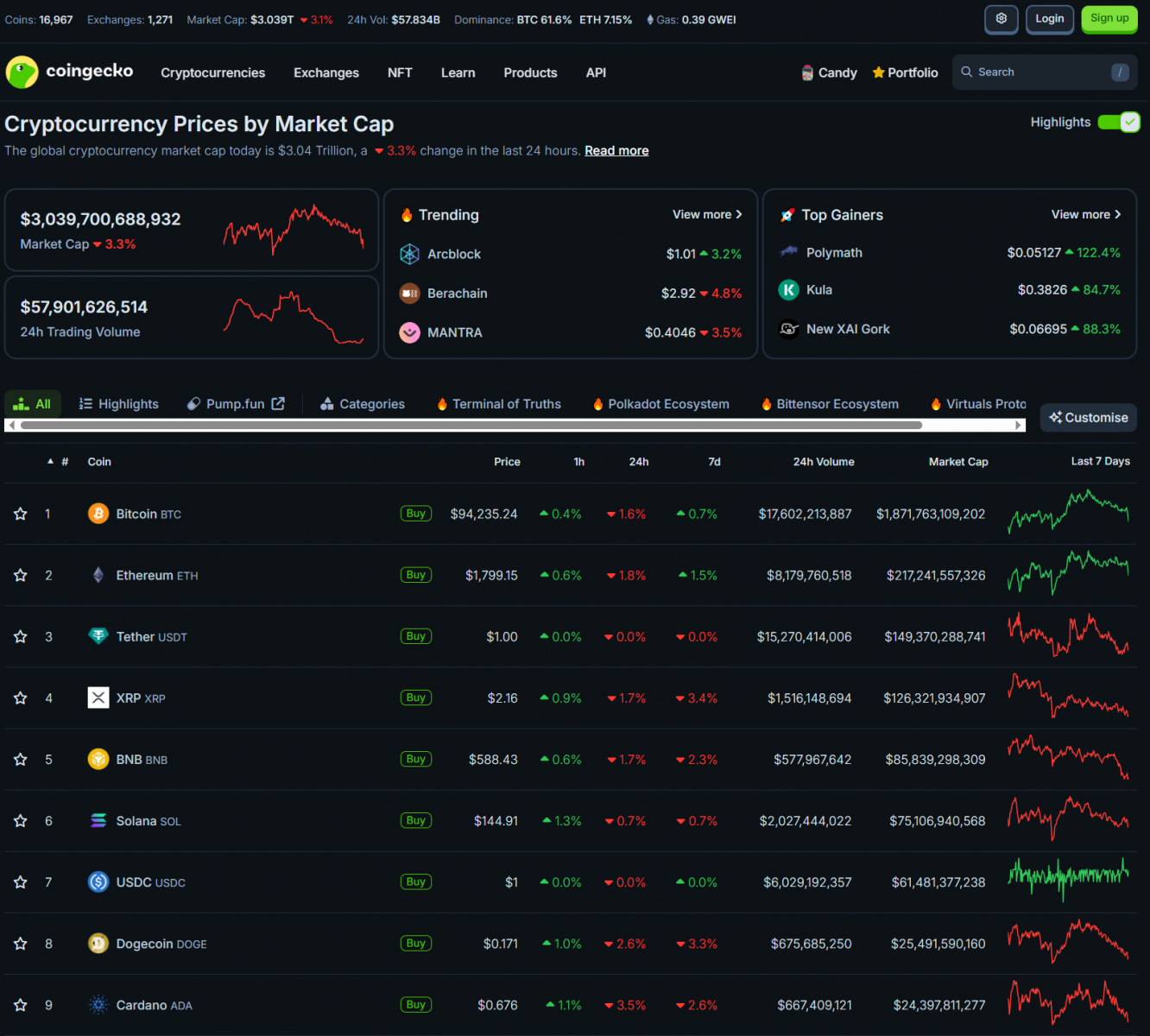
A pivotal week begins with the Federal Reserve set to announce its latest decision on interest rates. On Sunday (May 4), U.S. stock futures slipped across all three major indices, each falling more than 0.2%. Oil continued its downward trajectory, dipping to $55.9 per barrel despite OPEC’s production cuts, while gold held firm near $3,246 per ounce. Bitcoin briefly corrected toward the $94,000 level, with major altcoins seeing broader pullbacks. The overall crypto market cap stood at $3.039 trillion.
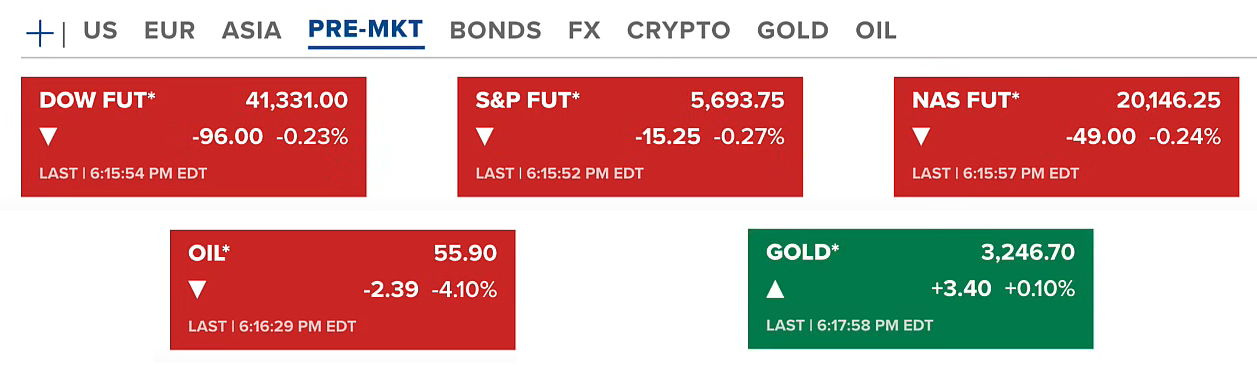
Markets are focused on this week’s upcoming Fed announcement and the press conference by Chairman Powell, followed by comments from regional Fed officials. Additionally, optimism is growing over trade-related developments and geopolitical diplomacy, with Canada’s new prime minister expected to visit the White House for trade talks with President Trump.
Trump’s Crypto Alignment and Political Advantage
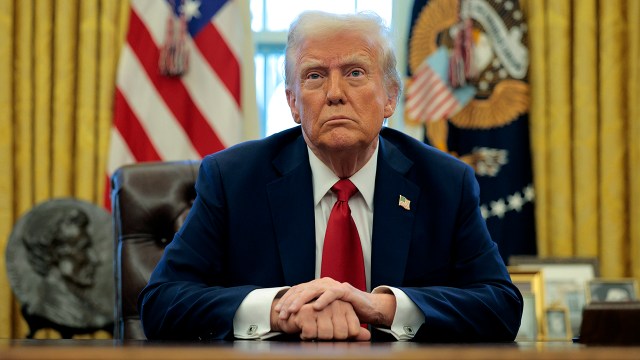
CNN recently reported that the Trump family, including Donald, Eric, and Melania, collectively made over $1 billion from crypto. President Trump’s net worth more than doubled from $2.3 billion to $5 billion in a single year, largely driven by gains in crypto and his stake in Truth Social after it went public. Trump enjoys a significant advantage among crypto holders, leading his opponent by 24 points in this voter segment, which now represents over 10% of the U.S. electorate.
Crypto ownership continues to rise, especially among younger generations who have grown up in a digital world where money, media, and culture live online. This demographic is reshaping political engagement and policy expectations around financial innovation. Eric Trump, for example, has publicly criticized traditional financial systems for inefficiency and elitism. He advocates for crypto and DeFi as superior alternatives due to their speed, lower costs, and accessibility.
President Trump has reiterated his support for crypto, framing it as a necessary step to remain competitive with nations like China. Trump stated: “I support crypto. We must do it, or China will. Crypto is new, popular, hot, and growing rapidly—even when the broader market struggles. Millions of people are interested in it. Biden used to oppose it but flipped positions before the election. They all did. Why? Because hundreds of millions are invested in crypto, and they want their vote.”
Though critics may argue the Trump family benefits personally from pro-crypto policies, such alignment with industry growth is not inherently negative. Trump’s actions—such as appointing Bitcoin-friendly officials and easing regulatory hostilities—demonstrate a strategic commitment that transcends rhetoric.
Reflections on Bitcoin’s Endurance
Bitcoin has now existed for over 16 years and is integrated into national reserves, corporate treasuries, and public consciousness. But the question persists: can it fail? Technically, anything can fail, and doomsday scenarios abound—from quantum computing threats to mass government bans or disruptive new protocols. However, these threats remain theoretical. In practice, the opposite has occurred: governments increasingly accept Bitcoin due to game-theoretical dynamics.

The idea that all global governments would align to ban Bitcoin is unrealistic. Historical disagreements over human rights, pandemic responses, environmental standards, and even personal freedoms underscore this improbability. Fears around Bitcoin’s demise have repeatedly proven to be unfounded. If there is any legitimate risk, it would be the unlikely scenario where all governments adopt disciplined monetary policies and stop printing money, nullifying Bitcoin’s appeal as a hedge. But in today’s debt-based world, that remains far-fetched.
Bitcoin as a Catalyst for Financial Awareness
Howard Lutnick, Commerce Secretary and CEO of Cantor Fitzgerald, shared his journey into Bitcoin, illustrating how institutional adoption evolves. Initially exploring blockchain as a novel technology, Lutnick soon pivoted to Bitcoin, drawn by its fixed supply of 21 million, immutable protocol, and decentralized framework. This scarcity and autonomy convinced him of its long-term value.
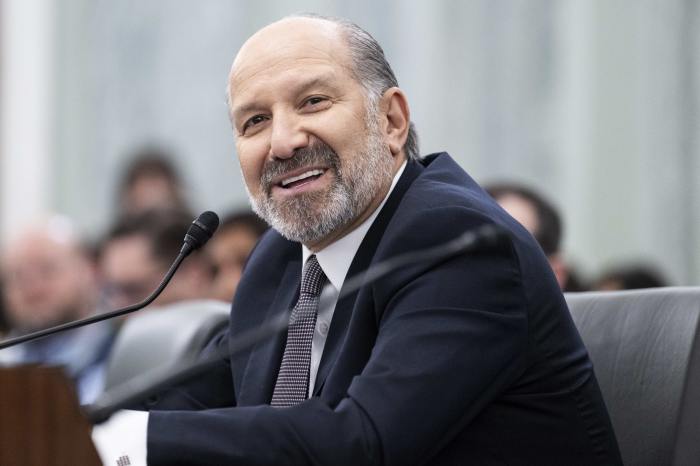
Starting with small purchases, Lutnick deepened his understanding and by 2020, brought Cantor Fitzgerald into the crypto space with advisory and analytical services. As of early 2025, he believes the Bitcoin adoption curve is still in its infancy, presenting abundant growth opportunities.
His experience mirrors that of many investors—initial skepticism replaced by conviction after research and exposure. Unlike traditional assets, Bitcoin requires a psychological shift, fostering a highly loyal and educated investor base.
Bhutan’s Bitcoin Treasury and Institutional Activity
In recent weeks, Bhutan’s national fund DHI sold 2,584 BTC worth $248 million, reducing its holdings from 10,070 to 7,486 BTC (about $720 million). The sale reportedly funds healthcare, government salaries, and expansion of local mining operations. Despite this reduction, Bhutan remains the fourth-largest sovereign Bitcoin holder globally, after the U.S., U.K., and North Korea.
Meanwhile, Michael Saylor signaled Strategy may be preparing another major Bitcoin acquisition, further fueling market speculation.
As the Fed prepares to announce its interest rate decision, Bitcoin continues to anchor a broader conversation about financial literacy, generational wealth, and political momentum. From Trump’s crypto-fueled influence to institutional players reshaping perceptions, the narrative is no longer whether crypto will survive—but how deeply it will transform the financial system.
Disclaimer
This article is for informational purposes only and does not constitute investment advice. Readers should perform their own due diligence before making financial decisions.