Stablecoin Usage Grows as Businesses Try to Stay Afloat in Venezuela
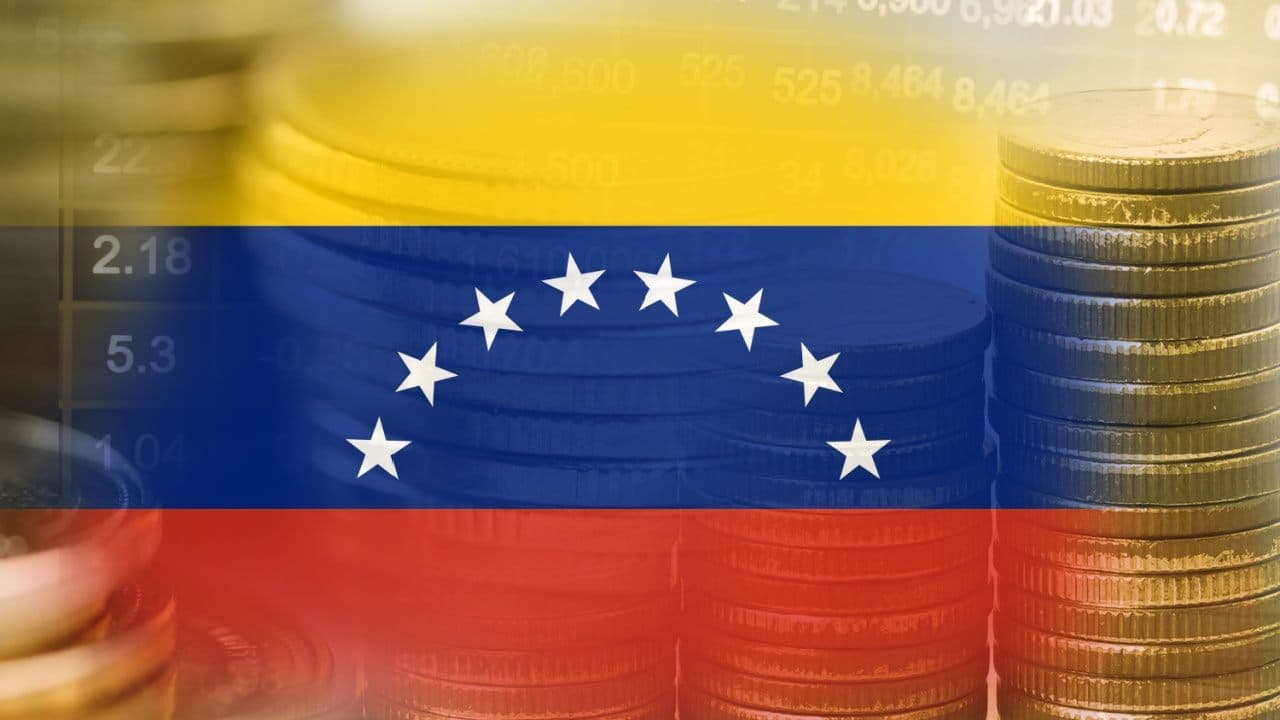
Stablecoins have become useful tools in distressed economies where inflation and devaluation indices are sky-high. According to local reports, the stablecoin adoption in Venezuela has been growing steadily, driven by a devaluation process and exchange controls that price dollars in cash at a much lower price than these dollar-pegged tokens.
While physical dollar banknotes need to be spent or exchanged at low prices corresponding with an official exchange rate, stablecoins are exempt from these considerations and can float to prices that are currently 40 to 50% higher. This is because their exchange rates are not regulated by the national government.
This is why companies are including stablecoins like USDT as part of their supply chain payments, buying and selling them for bolivares or simply by using them directly to settle payments with providers and employees.
A manager from a chemical products company specified how he harnesses stablecoin arbitrage to support the company’s business. He stated:
I can’t leave the bolivars that come into the company in the bank because they’ll be worth less tomorrow. They don’t sell enough dollars on the official market—if they sell them at all—so I go to the cryptocurrency market and buy USDT. Five or six days later, when I need to make payments in bolivars, I sell them again.
The Venezuelan government recently cracked down on peer-to-peer (P2P) markets like El Dorado, which had to suspend operations in the country due to heightened control over platforms that allegedly ran a price-setting ring for so-called “parallel” dollar markets.
This is why the use of stablecoins has grown even for making cross-border settlements to pay for imports, sidestepping the traditional financial system. Venezuela was gray-listed by the Financial Action Task Force (FATF) in 2024, making local companies prone to face increased controls.
Rumors also indicate that the Venezuelan government would receive oil payments in stablecoins, allowing it to benefit from this arbitrage when making internal payments.