
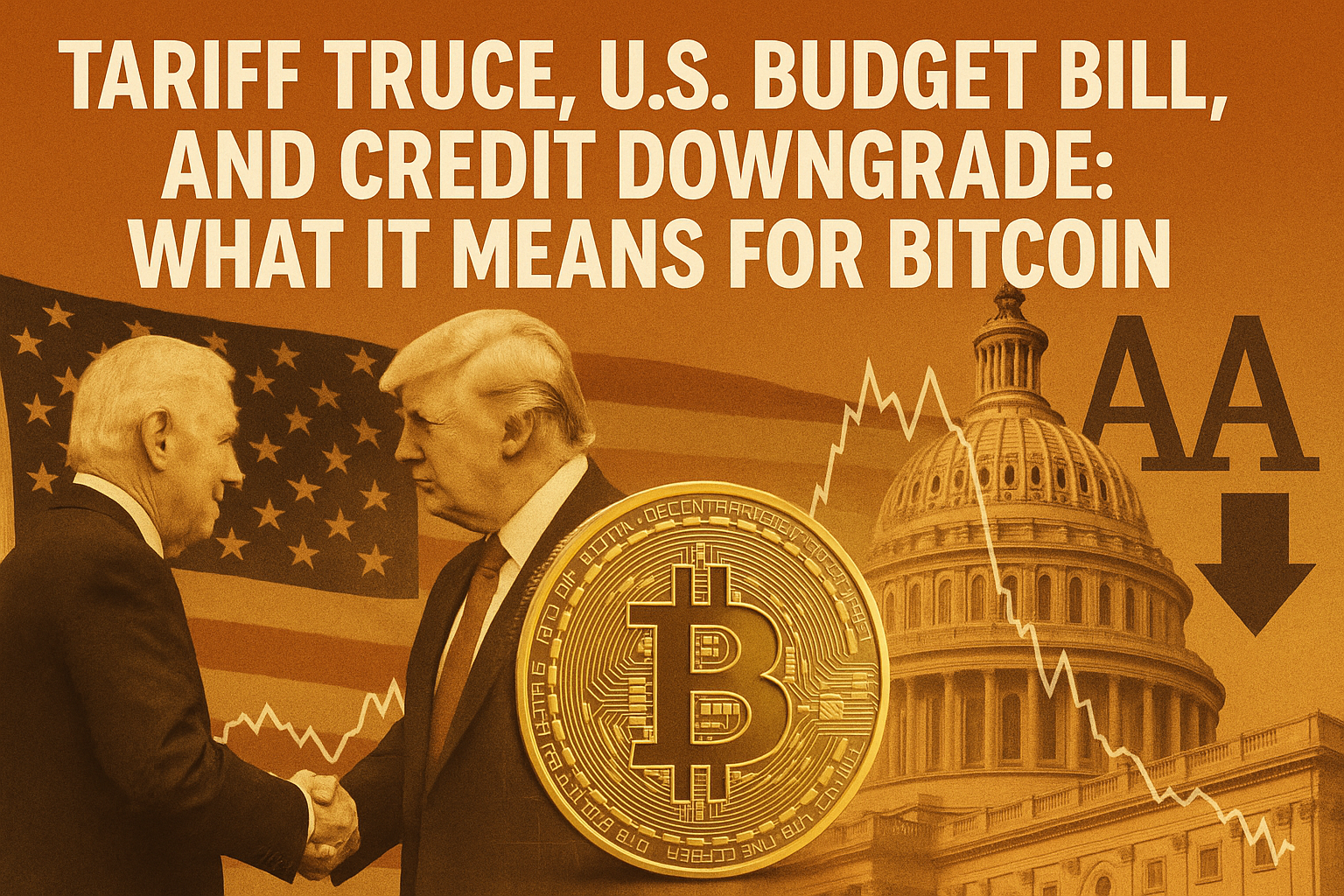
A Surprising Tariff Pivot: U.S.–China Truce Lifts Markets
Markets entered the week with a striking turn of events—a sharp tariff de-escalation between the U.S. and China that few analysts had predicted. The United States lowered tariffs on Chinese goods from 145% to 30%, while China reduced its tariffs on U.S. exports from 125% to 10%. These figures were well below the market’s expected “optimistic scenario” of 60%, marking a rare moment of deep compromise from both superpowers.
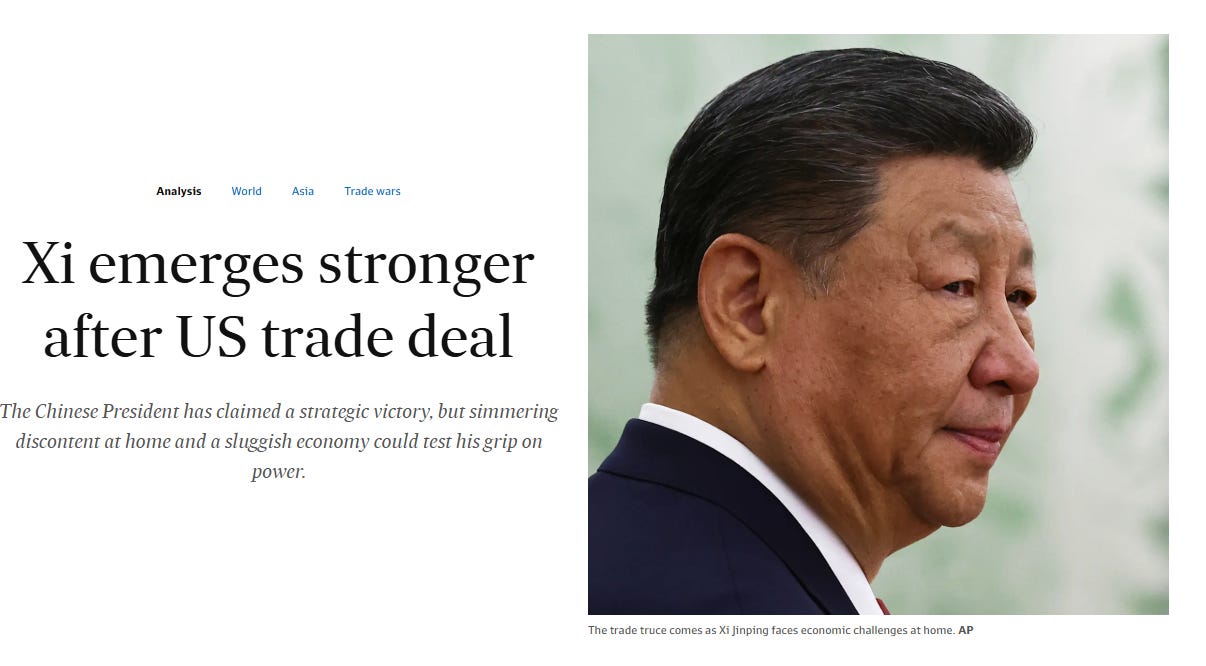
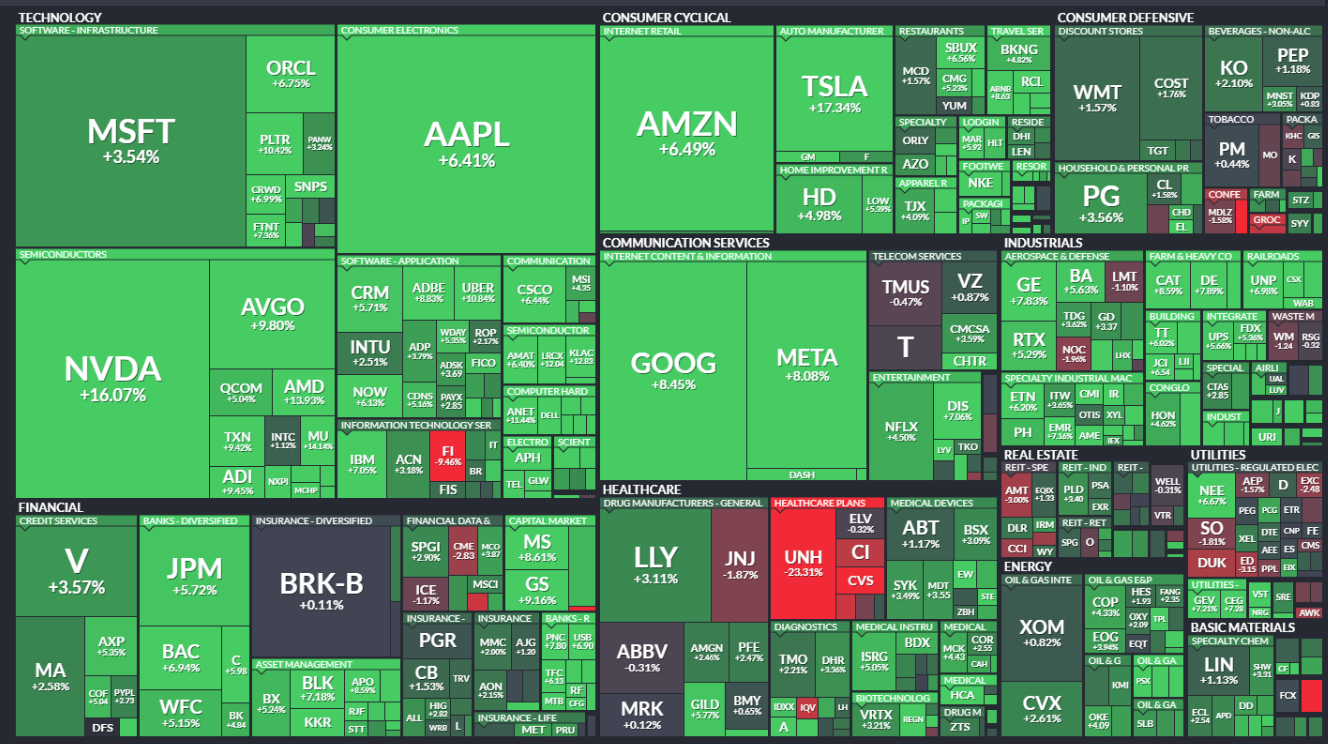
Equity markets responded favorably. High-beta names like Tesla and Nvidia rallied strongly, riding on hopes that supply chains and corporate profits would stabilize after years of disruption. While U.S. markets celebrated, Chinese state media portrayed the deal as a diplomatic victory for President Xi Jinping. Articles from Bloomberg, WSJ, and AFR framed Xi as having emerged stronger at home, a potentially worrying signal for neighboring nations observing Beijing’s assertiveness.
Still, even after the 90-day tariff suspension and lowered effective rates—down to around 14% from above 23%—tariffs remain elevated compared to pre-Trump norms. It’s unlikely that the manufacturing base will shift back to the U.S. at scale. More likely, companies will continue to relocate supply chains out of China toward lower-cost regions like Southeast Asia or India. Apple’s recent pivot toward India, and Trump’s dissatisfaction with that move, underscore this practical limitation. Bringing jobs back to the U.S. remains politically popular, but economically uncompetitive.

Meanwhile, China is far from passive. It’s expanding trade relationships in Latin America and engaging the European Union more aggressively, anticipating that this détente is temporary. The 90-day truce is primarily a pause to address domestic priorities for both Washington and Beijing, not a permanent resolution.
The Budget Battle: Trump’s “Big, Beautiful Bill” and Its Consequences
Against this backdrop, President Trump introduced the “One Big Beautiful Bill Act,” a sweeping 1,116-page legislative proposal that combines tax cuts and spending shifts into a singular economic stimulus vision. The bill proposes over $5 trillion in tax cuts, including a permanent extension of Trump-era income tax reductions, tax breaks for tips and overtime, and expanded credits for families and car loans—specifically if the vehicles are made in America.
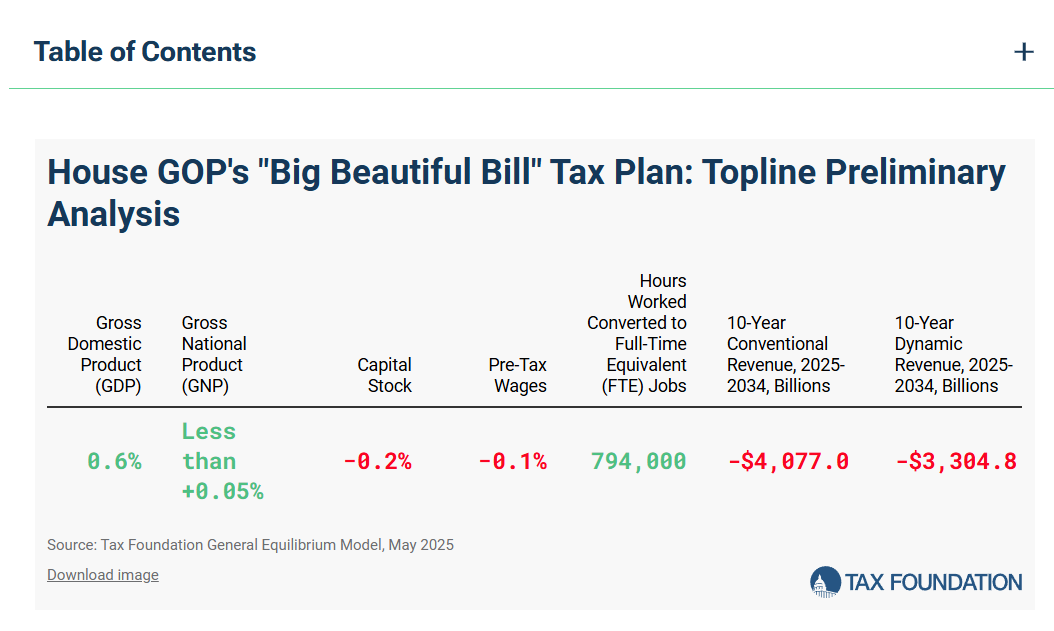
But funding these tax cuts requires offsets. The proposal slashes Medicaid by nearly $880 billion over a decade and eliminates clean energy tax credits established under Biden. The Congressional Budget Office (CBO) warns that around 8.6 million people could lose healthcare coverage if this passes.
Even without additional revisions demanded by hardline Republicans, the bill would significantly widen the federal deficit. Federal outlays are projected to grow from $4.45 trillion in 2019 to $7.03 trillion in 2025, a 58% increase, with long-term projections hitting $89.3 trillion through 2035.
Although Trump frames this plan as a way to energize the private sector, stimulate job growth, and revive economic confidence, its impact on fiscal sustainability is stark. Asset managers and rating agencies took note—leading to the week’s next big headline.
Moody’s Downgrade: A Blow to U.S. Financial Credibility
Moody’s moved swiftly to downgrade the U.S. credit rating from AAA to Aa1, citing rising debt-servicing costs, structural deficits, and political gridlock over fiscal discipline. This aligns Moody’s more closely with rivals Fitch and S&P, both of which had already downgraded U.S. creditworthiness in previous cycles.
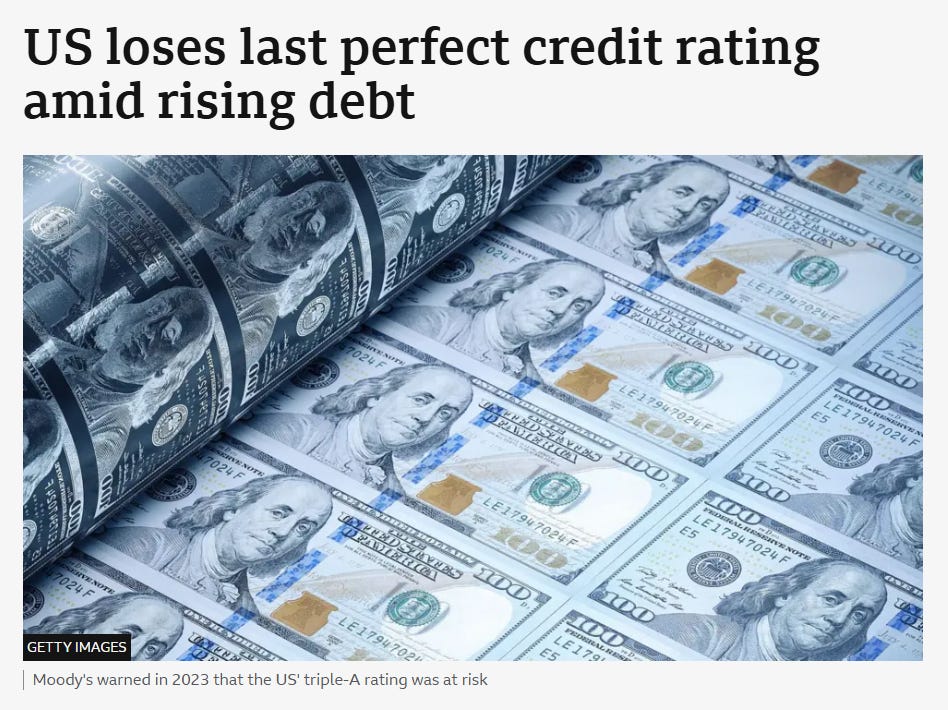
The downgrade drove yields on 10-year Treasuries higher, briefly touching 4.48%. Analysts caution that although Aa1 still implies strong credit quality, it may increase borrowing costs, especially at a time when the U.S. plans to refinance nearly $9 trillion in debt this year.
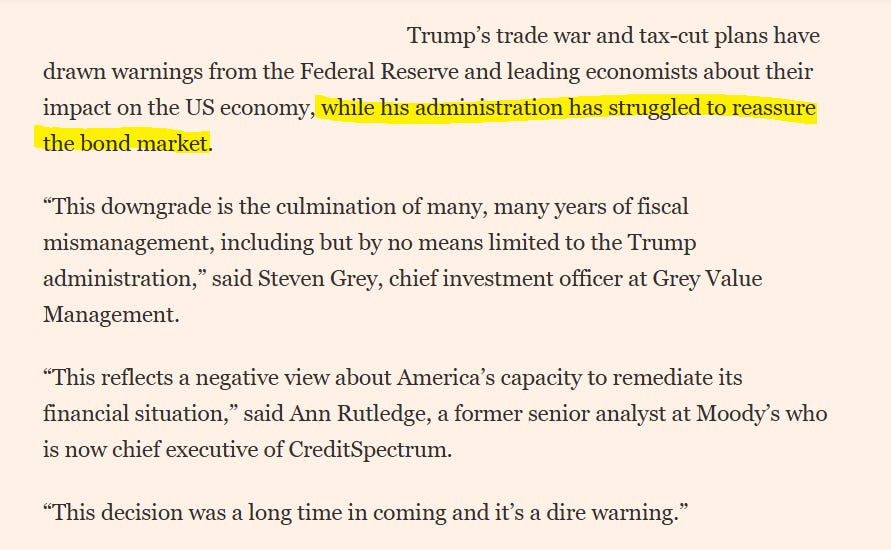
With interest rates already high and political divisions growing, some fear the downgrade could accelerate the search for alternative reserve assets. Gold continues to perform strongly, and Bitcoin—despite its volatility—is emerging as an increasingly attractive hedge, especially among institutional investors and central banks. Assets with fixed supply and low correlation to sovereign policy risk are likely to benefit from the erosion of fiat credibility.
Trump’s Next Move: Universal Tariffs?
Facing mounting pressure, Trump has hinted at the next chapter in his trade strategy. He plans to unilaterally impose new tariff schedules on dozens of countries, citing constraints in U.S. negotiation capacity. Treasury Secretary Scott Bessent and Commerce Secretary Howard Lutnick are expected to issue letters to foreign governments, informing them of their required “entry fees” for accessing the U.S. market.
Trump reaffirmed a flat 10% universal tariff on all imports, noting that this policy would remain in place. Retailers like Walmart have already warned of impending price hikes due to increased import costs. The admission from Trump—that America cannot simultaneously negotiate with 150 nations—is rare in its candor and could signal operational limits in executing his broader trade vision.
Investor Sentiment and the Recession Debate
Despite credit downgrades and economic uncertainty, U.S. markets remain buoyant. Some investors have latched onto Trump’s tariff truce as a reason to raise expectations for earnings and GDP, triggering renewed bullishness across sectors. S&P 500 is targeting 5,900–6,500, a level that would push valuations into extreme territory.
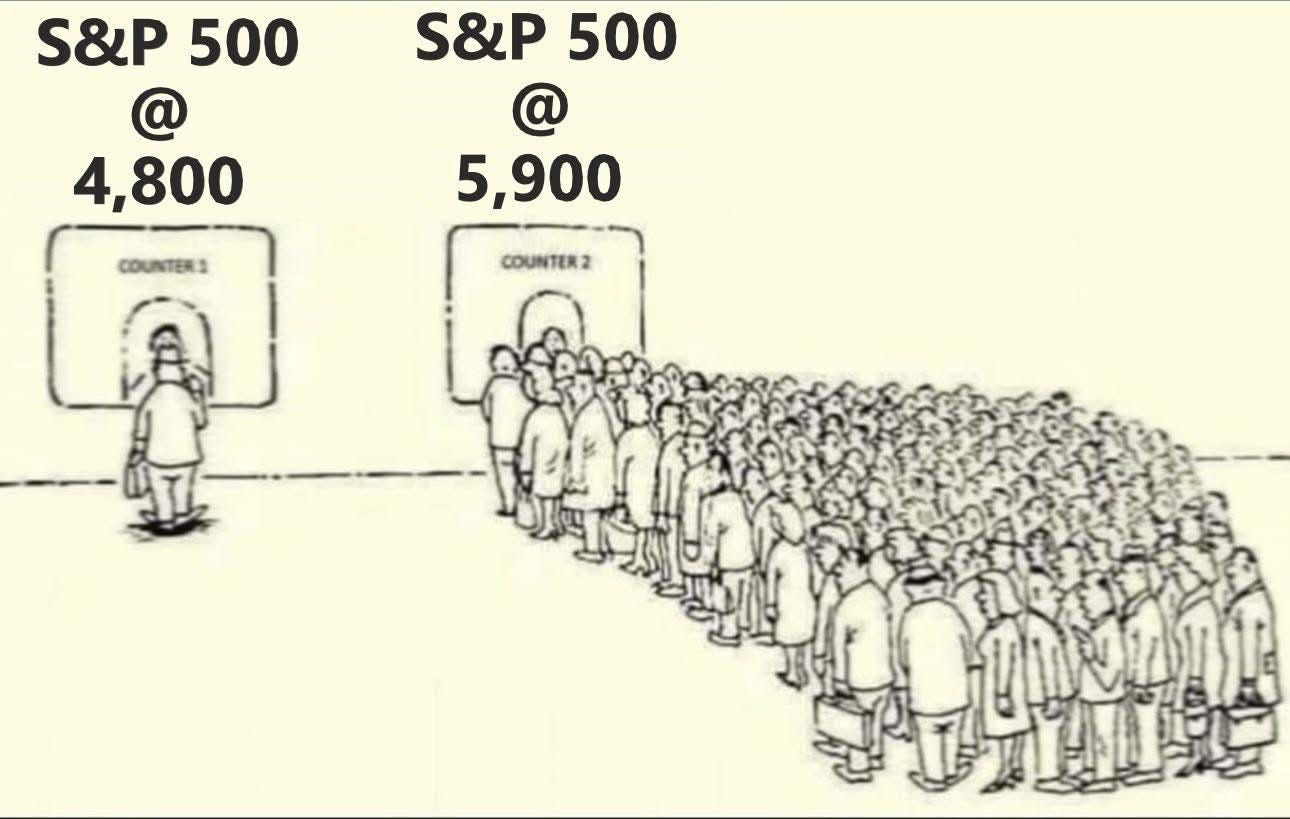
But markets are not moved by valuations alone. As long as liquidity remains abundant—U.S. and global funds reportedly hold $23–26 trillion in cash—rising asset prices can persist far longer than economic logic suggests. History has shown that misalignment between macro fundamentals and asset prices can last for years.
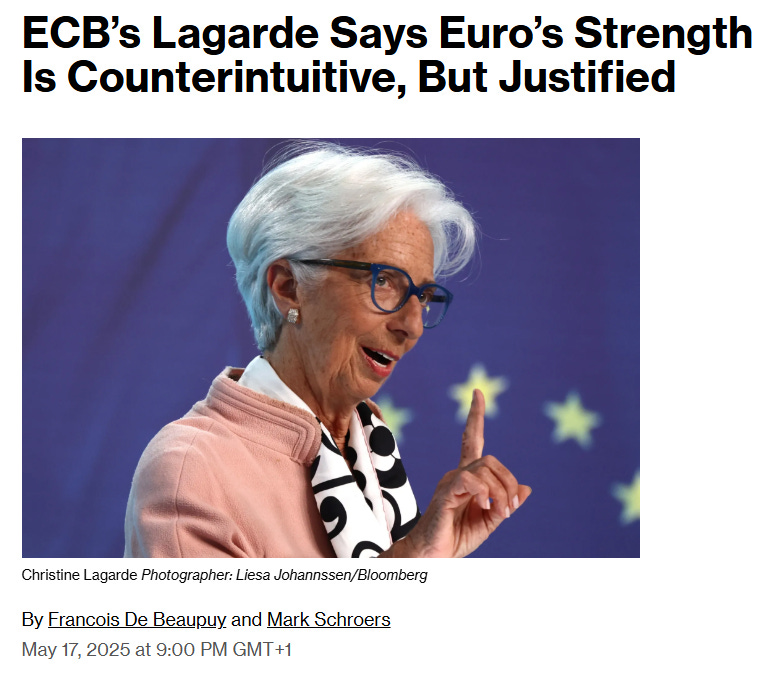
Indeed, the ECB recently commented that some price increases might not appear rational but are backed by “underlying flows.” The same psychology is now visible in U.S. equities: even if recession risks loom, the market may remain elevated until the data catches up with sentiment—or until something breaks.
Bitcoin in the Macro Picture
The week’s mix of policy-driven optimism, fiscal realism, and institutional anxiety reinforces a key trend: Bitcoin’s growing relevance as a strategic asset. Between rising public debt, declining trust in fiat, and geopolitical realignments, decentralized assets are increasingly becoming the fallback of last resort.
Bitcoin remains volatile, but it thrives under conditions of uncertainty and currency devaluation. With gold already rallying and sovereign credit ratings under pressure, Bitcoin offers asymmetric upside, especially if liquidity surges in the second half of 2025. Whether or not the “One Big Beautiful Bill” passes, its implications for inflation, dollar stability, and sovereign risk will likely make Bitcoin an essential part of future hedging strategies.
Disclaimer
This article is for informational purposes only and should not be considered financial advice. Always conduct your own research before making investment decisions.